De’Longhi UK Coffee Machines: Choosing for the Coffee You Actually Drink
The most useful coffee machine is the one that fits an ordinary morning. De’Longhi’s supplied UK listings cover automatic bean-to-cup machines and manual espresso models, with different approaches to milk, drink choice and preparation. This guide explains how to turn that broad range into a sensible shortlist.
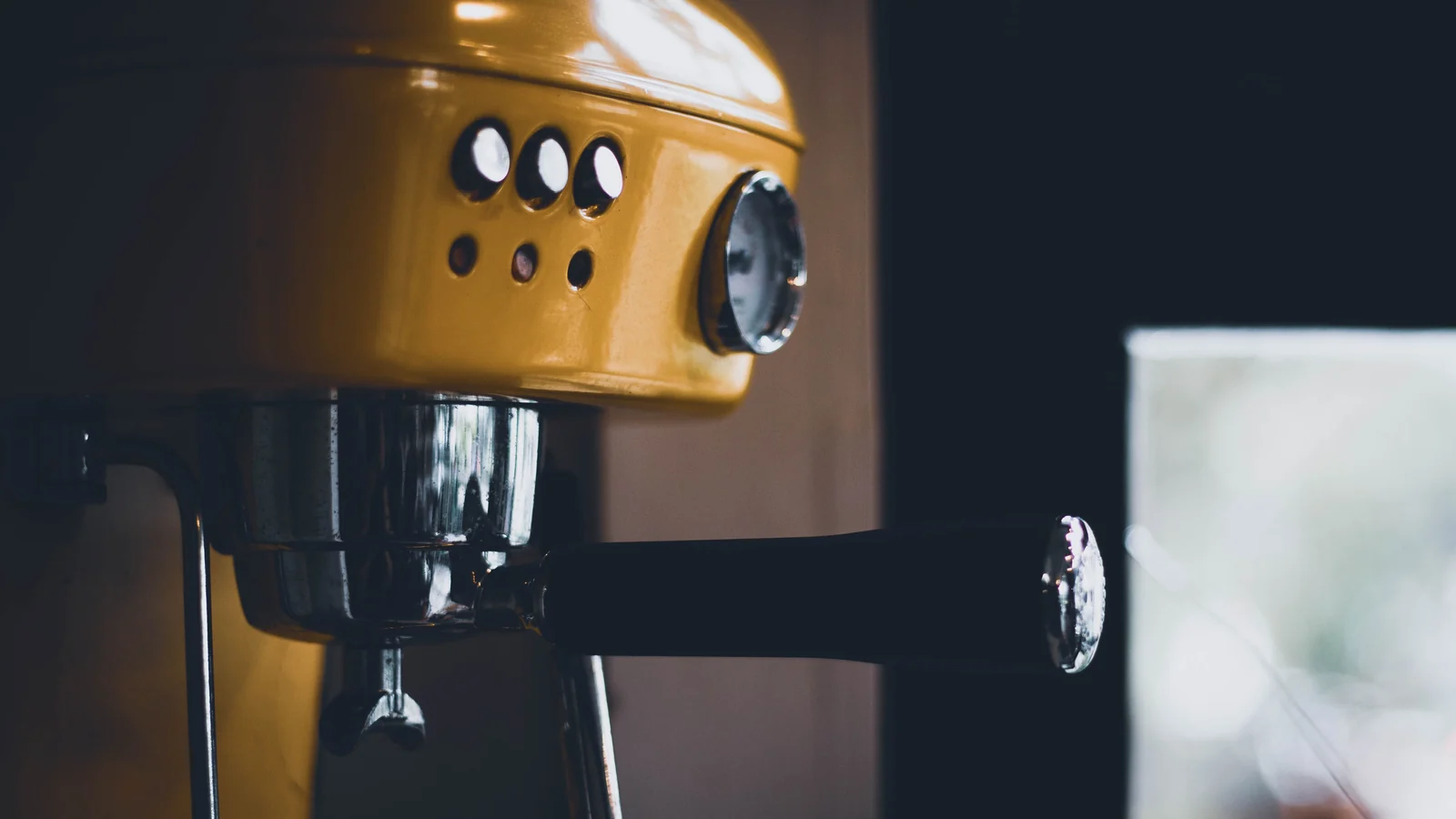
Picture the moment a coffee machine has to earn its place: the kitchen is busy, someone wants a cappuccino, someone else wants a straightforward coffee, and there is little enthusiasm for clearing up. Now picture a quieter weekend, when weighing coffee and practising milk texture might be part of the pleasure. Those are different buying briefs. Before choosing a De’Longhi by its finish or its longest drinks menu, decide which version of coffee making belongs in your home.
- The supplied UK range includes both automatic bean-to-cup and manual espresso machines, giving buyers distinct preparation routes to consider.
- Listed milk options include steam wands and automatic frothing, allowing a shortlist based on how much involvement you want.
- Selected listings highlight useful household features such as bean switching, user profiles and assisted tamping.
- The range includes models promoted for hot and cold drinks, although the exact recipes and preparation methods need checking.
- Several named ranges provide clear starting points for comparing everyday convenience, recipe variety and manual control.
- Features vary substantially between listings, including machines sharing a family name; a range name alone is an unreliable specification.
- Drink counts reveal little about taste, recipe flexibility or whether the extra options matter to your household.
- Automatic cleaning claims do not explain the complete daily and periodic maintenance routine.
- The supplied material cannot establish durability, operating noise, milk texture or espresso quality.
- A machine with more functions may add cost and complexity without improving the drinks you make most often.
Explore De’Longhi UK coffee machines
De’Longhi UK review: start with your everyday coffee
De’Longhi’s supplied homepage presents a wider appliance business, including coffee machines, breakfast appliances, dehumidifiers and heating products. Coffee is the focus here because the accompanying automatic and manual machine listings provide the clearest basis for a useful buying comparison. That distinction matters: the breadth of an appliance brand does not, by itself, tell you which coffee machine deserves space on your worktop.
Begin with a short household menu. If almost every order is a black coffee, a sophisticated milk system may contribute little to daily value. If cappuccinos and lattes dominate, the way the machine prepares milk becomes central. If two people prefer different beans, a bean-changing feature may matter more than several additional recipes. These priorities are more revealing than a promotional headline.
Then decide how much participation you want. An automatic machine suits the ambition of selecting a drink and letting the appliance handle more of its preparation. A manual espresso machine makes more sense when the preparation itself is appealing. Neither route guarantees a better cup from the information available; they offer different relationships with the task.
Automatic bean-to-cup or manual espresso: which De’Longhi suits you?
The supplied automatic category describes machines that prepare espresso drinks from fresh beans at the touch of a button. Its product cards show that automatic coffee preparation does not always mean automatic milk frothing: one Magnifica Evo listing specifies a steam wand, while other listings specify automatic frothing. Check both systems separately if your aim is to reduce the work involved in a milk drink.
The manual category also covers different levels of assistance. La Specialista Arte is listed with a steam wand, while La Specialista Touch is listed with automatic frothing and a touch display. La Specialista Maestro and La Specialista Opera are both shown with assisted tamping. These are specific listing descriptions, rather than evidence that every machine in the manual category requires the same technique.
For a useful comparison, write out the steps you expect to take: preparing coffee, handling the milk, clearing the used coffee and cleaning the relevant parts. A convenient selection screen addresses only part of that sequence. The better fit is the machine whose whole routine you are willing to repeat, including on a rushed weekday.
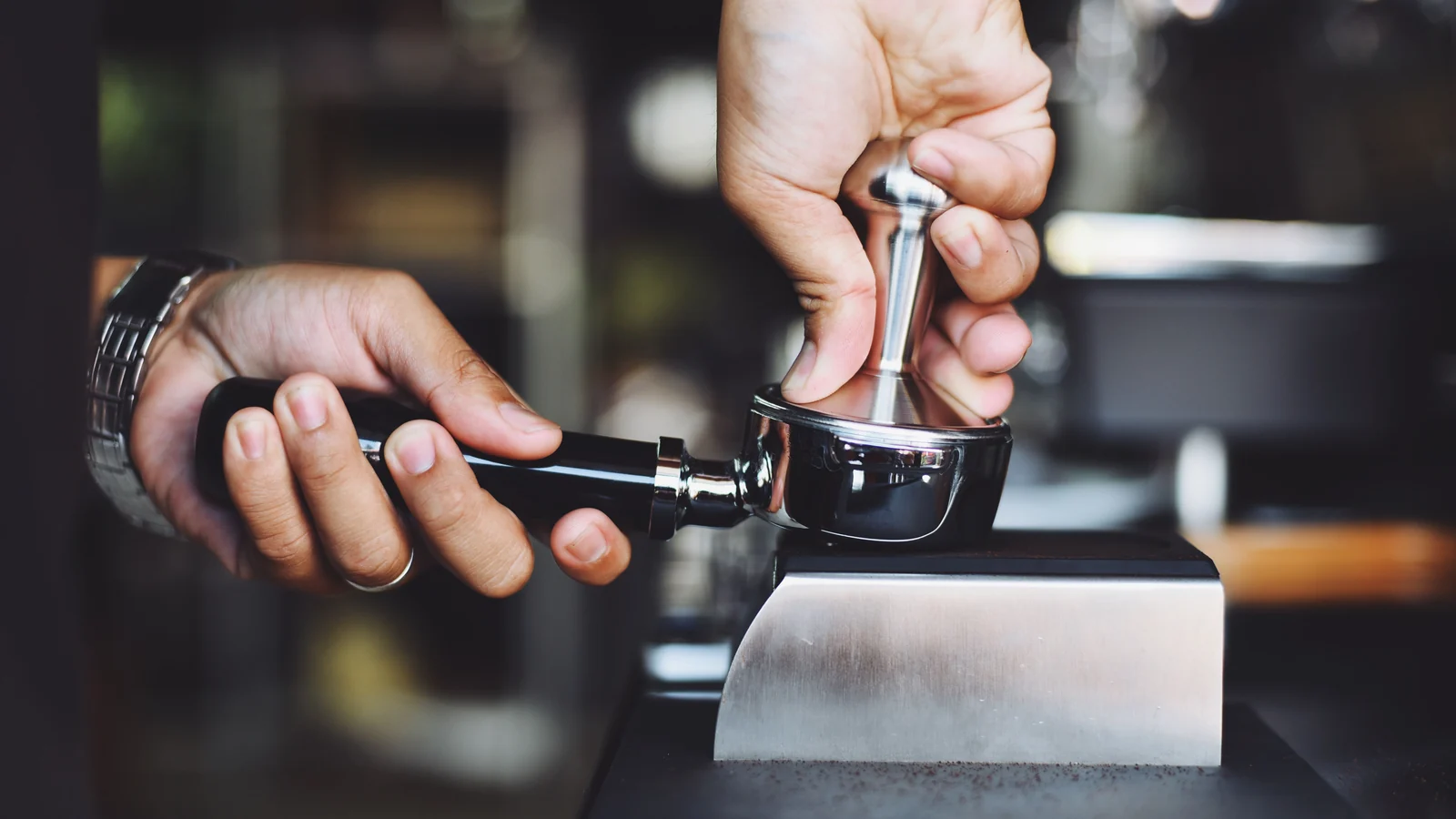
Magnifica, Rivelia and Eletta: understanding the automatic shortlist
Magnifica is a sensible place to begin comparing different approaches within the supplied automatic range. The material includes a Magnifica Evo with a steam wand, another with automatic frothing, and a Magnifica Evo Next listing that highlights user profiles. This makes the family useful for exploring your priorities, but it also demonstrates why a recommendation needs the exact model rather than simply the Magnifica name.
Rivelia listings highlight bean switching on a LatteCrema variant, while the homepage promotes interchangeable bean hoppers for Rivelia Start. The practical attraction is straightforward for a household interested in alternating coffees. However, the supplied copy does not explain the switching procedure, retained grounds or how completely one coffee is separated from the next. Do not assume that interchangeable hoppers guarantee complete separation, particularly when considering caffeinated and decaffeinated beans.
The supplied automatic category positions Eletta Explore around hot and cold drinks, and an Eletta Ultra product card highlights a large drinks menu, hot and cold frothing and a silence-related descriptor. These are merchant descriptions rather than independently measured findings. If this part of the range interests you, compare the exact recipes and milk functions first; the supplied material cannot establish how quiet a machine sounds in a real kitchen.
The homepage also promotes Magnifica Duo for hot drinks, cold drinks and cold brew. Treat those as prompts for further specification checks. A machine that offers several cold recipes is useful only if the preparation method, ingredients and serving process suit the drinks you want.
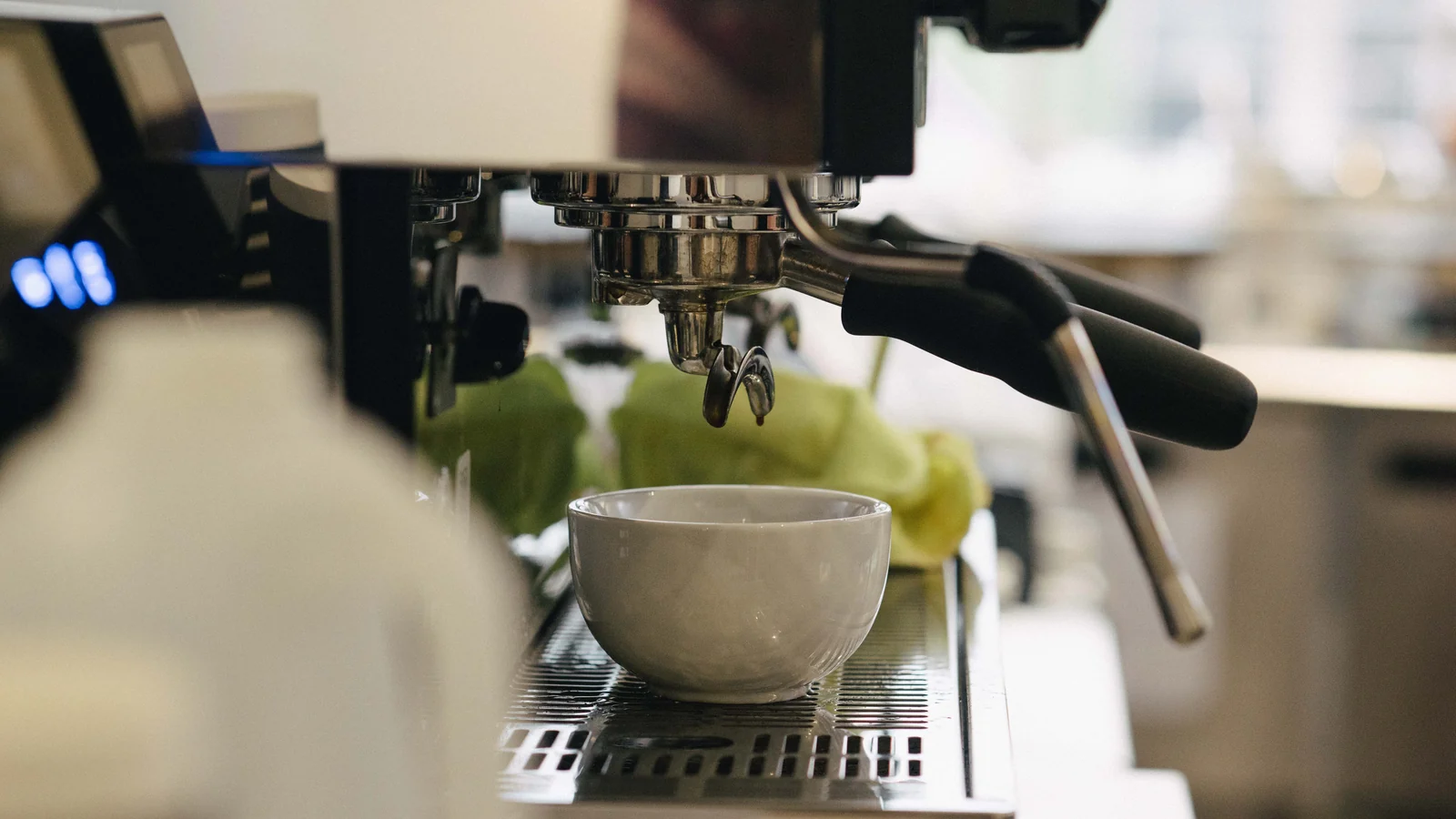
La Specialista manual espresso machines: choose the assistance you need
The supplied manual listings distinguish La Specialista Arte, Arte Evo, Touch, Opera and Maestro through features including steam wands, automatic frothing, touch controls, assisted tamping and cold brew. This is a range to approach by task. Decide whether your main interest is learning milk steaming, taking part in coffee preparation or having assistance with particular steps.
Arte is described as compact and equipped with a steam wand; Arte Evo adds a cold brew label in the supplied listing. Touch highlights a touch display and automatic frothing. Opera combines a steam wand with assisted tamping, while Maestro lists assisted tamping and automatic frothing. These descriptions help organise a shortlist, but they do not provide a complete account of controls, accessories or recipe adjustment.
Assistance should solve a specific concern. If tamping is the step you would prefer help with, investigate exactly how the assisted mechanism works. If milk is the part you want to practise, inspect the wand arrangement and instructions. A more elaborate model is not automatically the more satisfying purchase when its extra assistance concerns steps you hoped to perform yourself.
Milk systems: the difference that can shape every morning
For a milk-coffee household, the frothing system deserves as much attention as the coffee menu. A steam wand asks for direct participation in preparing milk. Automatic frothing shifts more of that process to the appliance. The choice affects the rhythm of making a drink, although the supplied pages do not establish comparative preparation times or finished milk quality.
Look beyond the word automatic. Find out which milk components need rinsing, which need taking apart, and what the instructions say about storage and cleaning. The supplied automatic category mentions cleaning and descaling functions, but that broad description is insufficient to map the maintenance routine of a particular milk system. A cleaning programme and a complete care routine are different things.
Cold foam, chilled coffee and cold brew also need careful separation when reading a specification. A cold milk function does not by itself establish a cold coffee extraction method. Where a listing uses a cold brew label, check the model’s explanation of the process rather than assuming it matches another appliance or a traditional long steep.
If you use plant-based drinks, seek guidance for your chosen model and preferred product. The supplied material does not establish compatibility or texture across alternatives. That is a meaningful gap for anyone whose favourite coffee depends on a particular oat, soya or other plant-based drink.
Kitchen space, controls and the practical meaning of compact
A machine can fit a measured rectangle and still be awkward to live with. Consider how you will fill the water tank, add beans, empty used coffee and remove the drip tray. Leave room for the movements those tasks require. The supplied homepage promotes Rivelia Start with a 24.5 cm compactness claim, but the excerpt does not identify the dimension clearly enough to treat it as a complete installation measurement.
Measure your available space and compare it with the exact model’s full dimensions and access requirements. Cupboard clearance matters if a component opens upwards; front or side access matters if the machine sits beside another appliance. These are practical checks to make against the instructions, rather than assumptions that can be settled by a product photograph.
Controls deserve the same attention. A large recipe selection may be helpful in a household with varied tastes, while a smaller set of clearly accessible favourites may suit someone who repeats the same order. Where user profiles are listed, check what they actually save. The feature name alone does not establish the number of profiles or the settings available within them.
Cleaning, descaling and the ownership cost beyond the machine
The supplied automatic category describes an automatic cleaning function and a descaling programme. Those are useful features to investigate, but neither establishes how little work ownership requires. Before buying, read the cleaning schedule for the exact model and identify the parts that need emptying, rinsing, washing or periodic attention.
Think in terms of two routines: the small jobs after coffee and the less frequent maintenance tasks. Used coffee and milk components create different care needs. A household happy to rinse a steam wand may feel differently about managing a milk container, or vice versa. The relevant question is which routine you will follow consistently.
Running costs also deserve a place in the budget. Coffee, any required care products, replacement items and optional accessories can affect total expenditure. The supplied information does not establish a reliable annual figure, and it would be misleading to calculate one without knowing the model, usage and maintenance requirements.
Durability remains an open question. The supplied pages contain no independent long-term testing or repair data. Check the applicable guarantee, support arrangements and availability of model-specific replacement parts before treating a higher purchase price as evidence of longer service.
Is De’Longhi worth it? Judge value by features you will use
The best argument for a De’Longhi shortlist is the visible choice of preparation styles and feature combinations. It gives you several ways to approach home coffee without assuming that every buyer wants the same balance of convenience and involvement. The limit is equally clear: catalogue breadth cannot prove better flavour, stronger construction or greater reliability than another brand.
Build value around three questions. Does the machine make your regular drinks in a way you find convenient? Does its cleaning routine fit your habits? Do its additional features solve a recurring problem? A bean-switching system could be relevant to a household alternating coffees; user profiles could matter where preferences differ; a large menu may contribute little to someone who drinks one recipe.
Colour and finish can also be legitimate priorities for an appliance that stays on display. However, the supplied Rivelia cards show that finishes and drink counts do not form a simple, uniform specification across every listing. Compare the exact model details before assuming that two similar-looking machines differ only in colour.
There is no supported basis here for naming a universal winner or claiming that De’Longhi outperforms competitors. For a cross-brand comparison, match the same drink needs, milk approach, adjustment options and maintenance expectations. That produces a more useful decision than comparing headline recipe counts.
Buying from De’Longhi UK: details to confirm before ordering
The supplied UK pages display delivery, returns and payment messaging, and the homepage also promotes a trade-in programme. These excerpts have not been independently verified and do not establish the full conditions for your order. Check the current terms for the chosen product, your address and any promotion you intend to use.
A trade-in needs particular care: confirm eligible machines, the application process, deadlines and return requirements before including an anticipated benefit in your budget. Likewise, do not assume that a headline returns period means unrestricted use and return. Read the policy that applies to opened or used appliances.
Finish with a comparison of the exact product names, model codes, included accessories and total payable amount. If two options appear similar, identify the feature that accounts for the difference and decide whether you will use it. That final check is often more valuable than adding another machine to an already crowded shortlist.
Everyday convenience
A clear reason to investigate the automatic range, particularly if you want fresh-bean coffee with fewer preparation decisions. Convenience remains model-dependent: coffee automation, milk frothing and cleaning must each be checked separately. No preparation-time comparison is supported by the supplied material.
Drink and milk flexibility
The listings show a broad choice of steam wands, automatic frothing and selected hot and cold functions. That is useful variety for building a shortlist. Recipe counts and function labels cannot establish taste, milk texture or adjustment depth.
Control and participation
The manual range offers several combinations of direct involvement and assistance, including selected models with assisted tamping. Choose around the steps you want to perform yourself. The supplied category cards do not establish precise control ranges or comparative extraction performance.
Kitchen fit and maintenance
This dimension needs model-specific investigation. Compactness claims, cleaning labels and product photographs do not provide enough information about access, clearance or the complete care routine. Full dimensions and instructions should carry more weight than a broad convenience claim.
Value and confidence in ownership
Potential value comes from paying for functions that fit your regular drinks and habits. The source material supports feature comparison but offers insufficient evidence for a conclusion about long-term reliability, repair costs or superiority over competing brands.
- Households choosing between automatic coffee preparation and a more involved espresso routine.
- Milk-coffee drinkers prepared to compare steam wands with automatic frothing and their respective care requirements.
- People whose regular needs could benefit from a specifically listed feature such as bean switching or user profiles.
- Buyers willing to compare exact model specifications, kitchen access and maintenance before choosing a finish.
- Anyone expecting every De’Longhi machine to offer the same milk system, cold drinks or adjustment options.
- People seeking a coffee appliance that requires no routine cleaning or periodic maintenance.
- Buyers who need independently demonstrated durability, noise or taste results from this article.
- Households considering a large drinks menu despite having no interest in most of the recipes.
Choose your preparation style first, your milk system second and your additional features third. Shortlist the exact models that meet those needs, then compare dimensions, access, cleaning instructions, included accessories and current purchase terms. De’Longhi’s supplied range offers several plausible routes to a better-fitting coffee routine, but the strongest purchase is the one you can explain through everyday use. Pay for the functions you expect to use regularly and verify the details that a category card leaves unanswered.
Explore De’Longhi UK coffee machines
Is De’Longhi a good coffee machine brand for a UK household?
The supplied UK listings show a broad selection of automatic and manual coffee machines with different milk systems and convenience features. That makes the brand worth considering for several household routines. The material does not independently establish reliability, taste or performance against competitors.
What is the difference between De’Longhi bean-to-cup and manual machines?
The supplied automatic category describes preparing coffee from fresh beans at the touch of a button. The manual listings offer different combinations of participation and assistance, including steam wands, automatic frothing and assisted tamping on selected models. Compare the actual preparation steps for the exact machines.
Do all De’Longhi automatic machines froth milk automatically?
No. The supplied automatic listings include a Magnifica Evo with a steam wand as well as machines described as having automatic frothing. Check the milk system separately from the automatic coffee-making description.
Which De’Longhi range should I consider for changing beans?
The supplied material highlights bean switching on a Rivelia LatteCrema listing and interchangeable bean hoppers for Rivelia Start. Check the exact model’s procedure and guidance on retained coffee. The excerpts do not establish complete separation between different beans.
Can De’Longhi machines make cold coffee?
Selected machines are promoted for cold drinks or cold brew, including Magnifica Duo on the supplied homepage and La Specialista Arte Evo in the manual listings. Availability of a particular cold function is model-specific. Check whether the feature concerns coffee preparation, milk frothing or a recipe served with ice.
Does automatic cleaning mean there is no manual cleaning?
The supplied material does not support that conclusion. It mentions cleaning and descaling functions but does not provide each model’s complete care schedule. Read the instructions for the water system, milk components, drip tray and used-coffee container before buying.
Are delivery, returns and trade-in benefits guaranteed?
The supplied pages display related promotional messaging, but the excerpts do not verify current eligibility or complete terms. Confirm the conditions for your chosen machine and address, and check any trade-in requirements before relying on a benefit.
This editorial draws solely on supplied excerpts from De’Longhi’s UK homepage and its automatic and manual coffee-machine category pages, dated 18 October 2026. The excerpts have not been independently verified. There was no hands-on testing, taste assessment, noise measurement or long-term ownership study. Feature descriptions are attributed to the supplied merchant material; buying guidance reflects general practical considerations. Current specifications, availability, prices and purchase terms require confirmation with the retailer.